
Immigration
Visiting, Working or Studying in Canada: What the Pandemic Changed
How pandemic-era travel restrictions reshaped Canadian immigration — and what applicants for visitor visas, work permits and study permits should know about IRCC processing today.
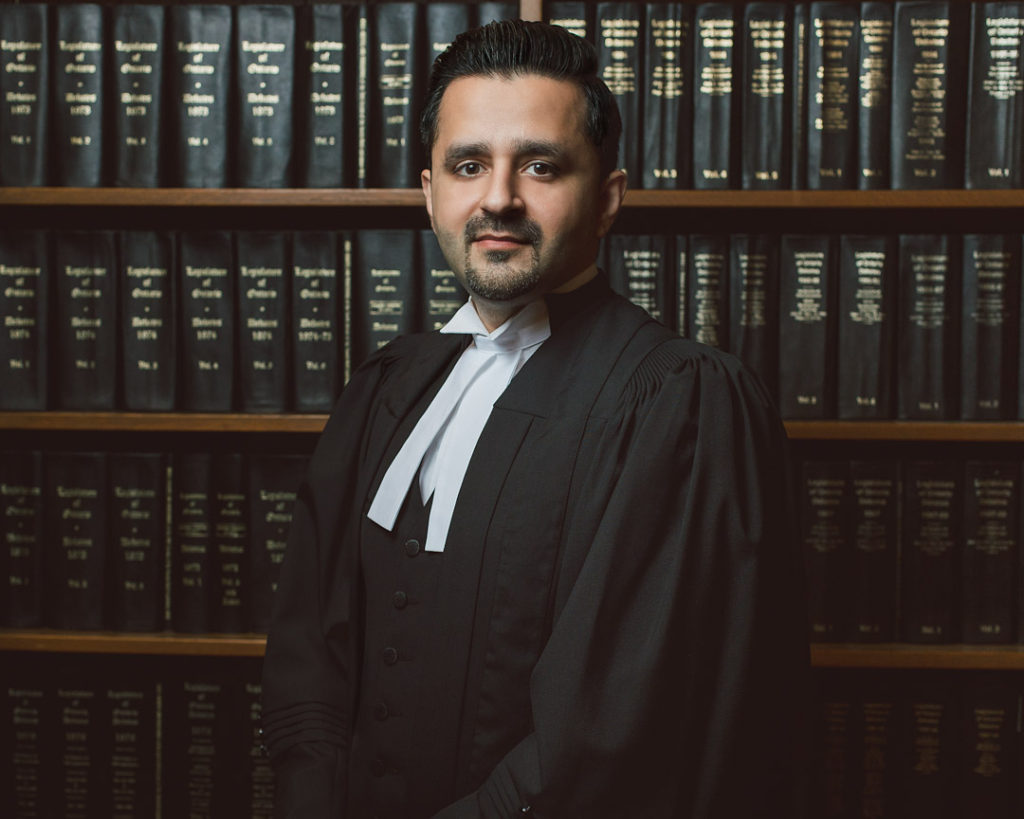
Reviewed by Ayoun Haroon, Partner, Ayoun & Sabeeya LLP
Published September 30, 2020 · Updated August 31, 2026
When the border closed
In 2020, travel restrictions divided travellers into essential and discretionary, and only exempt categories — certain family members, workers in essential roles, approved students — could board flights to Canada. Visitor visa processing effectively paused, biometrics appointments were cancelled worldwide, and processing times stretched unpredictably.
Those years left a backlog that shaped IRCC processing long after restrictions lifted — and they changed how applications are filed and assessed in ways that persist.
What it meant for visitors, workers and students
- Visitors: discretionary travel was barred for long stretches; family reunification exemptions required documentary proof of the relationship
- Workers: work permit holders and approved applicants remained largely exempt, and remote-work realities pushed employers toward better-documented LMIA and permit applications
- Students: only institutions with approved readiness plans could receive new international students, and online study rules for post-graduation work permit eligibility changed repeatedly
What applicants should know now
The lasting shift is digital: applications are filed and tracked online, correspondence arrives by portal and email, and complete, well-organized evidence packages matter more than ever because officers decide files without meeting you.
Processing times remain the number one frustration. You cannot control IRCC's queue — you can control filing a complete application the first time, responding to requests quickly, and keeping your status valid while you wait. If your status is close to expiring, get advice about extensions or restoration before the deadline, not after.
How we help
Our office prepares visitor records, work permits, study permits, sponsorships and permanent residence applications as your authorized representative with IRCC — meetings by Google Meet, service in English, Urdu, Punjabi, Hindi and Polish, and the first 15 minutes free.
The content of this website is legal information about Ontario and Canadian law, not legal advice. Reading it, or contacting us through it, does not create a lawyer-client relationship — that begins only after we confirm in writing that the firm is acting for you.