
Choosing a Lawyer
Who Can Represent You in Ontario: Lawyers and Paralegals Explained
Ontario's two licensed representative types explained — what lawyers and paralegals can each handle, how licensing works, and how to pick the right one for your matter.
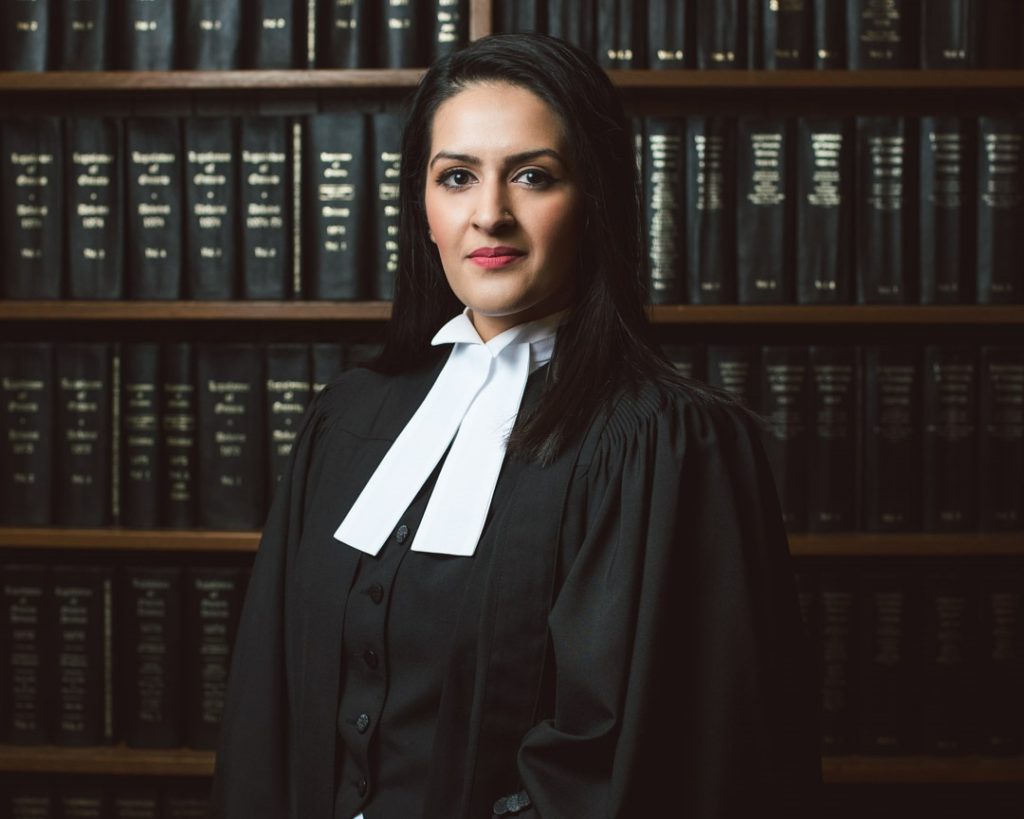
Reviewed by Sabeeya Akram, Managing Partner, Ayoun & Sabeeya LLP
Published April 26, 2025 · Updated August 31, 2026
Two licences, two scopes
Ontario regulates legal representation through the Law Society of Ontario, which licenses two professions. Lawyers can act in every court and legal matter. Licensed paralegals have a defined scope: Small Claims Court, most tribunals (including the Landlord and Tenant Board), provincial offences, and certain minor criminal matters.
Both appear in the Law Society's public directory, both carry insurance, and both are bound by conduct rules — the choice between them is about scope and cost, not legitimacy.
Which professional fits which matter
- Family law, real estate closings, wills and estates, immigration, Superior Court litigation — lawyer
- Landlord and Tenant Board applications — paralegal (or lawyer)
- Small Claims Court disputes — paralegal is usually the cost-effective choice
- Traffic tickets and provincial offences — paralegal
- Matters that might escalate beyond a tribunal — start with a lawyer's assessment
Under one roof
Ayoun Law has both: lawyers for family, real estate, estates, immigration and litigation, and a licensed paralegal and notary for LTB matters, provincial offences and Small Claims work. At the consultation — first 15 minutes free — we route your matter to the least expensive professional who can properly handle it.
The content of this website is legal information about Ontario and Canadian law, not legal advice. Reading it, or contacting us through it, does not create a lawyer-client relationship — that begins only after we confirm in writing that the firm is acting for you.